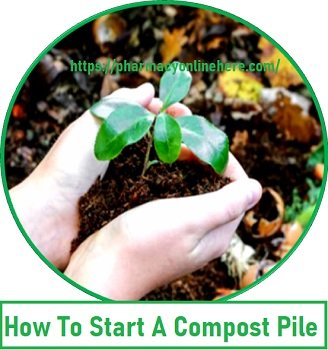
A Brief Guide About How To Start A Compost Pile & Its Benefits?
Compost in other meanings also called as composting is a natural and eco-friendly method of recycling specific food and yard waste. It gives individuals an option to contribute to environmental preservation while nourishing the soil for optimal plant growth. According to the Environmental Protection Agency (EPA), food scraps and yard debris fill more than 28% of landfills and combustion facilities. Composting offers a practical solution for individuals to significantly diminish the quantity of food waste that ultimately finds its way into landfills or traditional garbage disposal methods.
More Info: A Comprehensive Guide Of Cipralex Tablets 10MG 15MG 20MG Uses Dosage Side Effects Benefits Formula Ingredients Price
This not only benefits the environment but also improves overall waste management practices. In addition to waste reduction, composting yields a valuable byproduct known as compost or humus. This nutrient-rich soil enhancer resembles a dark, soil-like material and possesses remarkable benefits for plant cultivation. It can be utilized in gardens, on farms, and as mulch to promote robust and healthy plant growth. Composting operates as a sustainable solution that not only minimizes trash but also creates a valuable resource for nurturing plants and enriching the soil.
By embracing this practice, individuals can actively contribute to a healthier environment while enjoying the rewards of flourishing gardens and thriving green spaces. Composting not just reduces garbage in landfills but also improves your backyard at home. As the Environmental Protection Agency (EPA) defines, compost is an organic component that enhances soil, encouraging healthy plant growth. By preserving your family’s garbage and changing them into “plant food,” you can enjoy greater profits, more beautiful flowers, and a profitable garden, all without any extra costs.
What is Compost? Brief Details
Food scraps and yard waste form a significant portion of compostable materials, allowing you to include a wide range of items from your kitchen and garden. However, it’s worth noting that other household items, such as newspaper and hair, can also be added to the compost mix with no issue.
What Type of Things I Should Compost?
- Matches
- Fruit Peels & Scrap
- Cut of flowers
- Grass
- Vegetable Scrap & Peels
- Leaves
- Mushroom Scraps
- Wood
- Egg Shells
- Ash
- Bread
- Sawdust
- Grains
- Newspaper
- Pasta
- Cardboards
- Coffee Grounds
- Dryers Lints
- Coffee Filters
- Nail clippings
- Loose tea
- Brown Paper Bags
- Tea Bags
- Tooth Picks
What Type Of Things I Cannot Compost?
- Grease
- Meat
- Plants leave
- Chemicals
- Animal Bones
- Pets waste
- Coal ash
- Diary
- Produced Stickers
- Egg Whites
- Plastic objects
- Yolks Of Eggs
- Fats
- Oils
Mainly What Are The Benefits Of Composting Pit?
Composting Pit is embraced by many individuals due to its environmental and personal health advantages. By diverting certain food and yard waste from the trash, composting helps reduce landfill waste and allows natural decomposition to occur. This not only benefits the earth but may also lead to cost savings in waste collection. The utilization of compost, humus, or mulch in gardens enriches the soil’s nutrient content, offering numerous benefits.
By adopting this method you can reduce the methane emissions a dangerous gas, as well as it help to eliminates reliance on chemical fertilizers by improving the crop yields, and also help our ecosystem restoration and soil improvement for our crops. Composting additionally decreases atmospheric carbon dioxide levels and helps with preserving soil moisture levels, which minimizes the need for regular watering. Apart from its positive environmental impact, composting can indirectly enhance human health.
Moreover, nutrient deficiencies in the soil can lead to diminished nutritional value in the food we grow. Composting promotes healthier plant growth, potentially resulting in increased yields of fruits and vegetables in home gardens. Composting could deliver further health benefits by preventing the need of chemical fertilizers and pesticides. As its a safest method so it is not only good for our environment, but it may also make the peoples health a lot better.
Composting could help in minimizing the risks connected to chemical pesticides and fertilizers, including any potential relationship to cancer, by restricting their use. On the other hand it also help us to promote the growth of good healthy and nutritious foods for us. As well as it reduces the release of dangerous gases, and also improve the development of nutrient-rich soil to crop good foods. All these make it an important method of establishing a healthy planet and promise a good future for all living on the planet.
How To Make Compost Pit At Home Outside Or Inside?
-
How To Compost Pit Inside?
Whether you reside in an apartment or a house without a backyard, you can create a mini collection station right in your kitchen to prevent food scraps from ending up in the trash. Use the comprehensive instructions beneath, which were provided by the professionals at the Good Housekeeping Institute: Pick a compost container first with a tight-fitting lid on it. Choose a container with lid on it to close it tightly.
Meanwhile it does not matter that its made of stainless steel or plastic materials. Laurie Jennings, GH Institute director, suggests using an old stainless steel ice bucket with a matching lid on the countertop to collect compostable materials, as some compost plastic bins design for effective decay can absorb odors. Use biodegradable bags to line your compost bin. Although it may be pleasing to reuse plastic grocery backpacks, remember that they are not biodegradable and can damage the intent of composting. Store full compost bags in the freezer. Regularly replace the bag to avoid unpleasant odors.
Once you have put enough materials to compost and your bin gets full, you must secure the bag and place it in the freezer. This will make the scraps easier to transport, eliminate odors, pause active decomposition, and buy you some time if immediate disposal is not possible. Explore local collection services or drop-off locations. If you lack a garden for composting, check if your community offers collection services. Contact your local municipality or visit CompostNow’s website, which lists participating services across the country. Some services even provide at-home starter kits and regular curbside pickup, depending on your location.
Transfer stations may also have designated compost areas, so it’s worth checking with them too. For those living in apartments or cities without collection services, donating your compost may require extra effort. However, Birnur Aral, Ph.D., director of the Health, Beauty & Environmental Sciences Lab, who composts at home in a community without a collection program, emphasizes the value of this practice. She personally delivers her scraps to her daughter’s college composting bin every few weeks and donates bags to a neighbor at the local farmer’s market, where the compost is used on her farm upstate. It’s an easy and small method to give it back to the friendly environment.
-
How To Compost Pit Outside?
If you want to compost in your backyard places. Firstly you must read this comprehensive guide before you start the composting process to exactly know what to do and what you must not to do. Selen Nehrozoglu, a research assistant at the New Jersey Agricultural Experiment Station, shares her valuable tips on managing organic waste:
- Create a designated compost area.
Nehrozoglu suggests using sealable containers for indoor and outdoor compost storage. “Containers with twist-shut lids work well for indoor compost, as they are easy to open and close while containing any odors,” she advises.
- Choose an open area if you’re starting a compost pile.
Allocate at least 3 square feet of space and scatter twigs or straw to ensure proper aeration and drainage. Use chicken wire or fencing to protect the pile from animals like raccoons or neighborhood pets.
- Maintain a balance of “green” and “brown” materials.
Nehrozoglu recommends a ratio of approximately two-thirds “brown matter” (such as sticks, dry leaves, or dirt) and one-third “green matter” (food scraps or fresh plant waste). This balance is crucial as “brown” materials provide carbon for the organisms breaking down the scraps, while “green” materials supply nitrogen for building the cell structure of the new soil. Ensure the food scraps are fully covered with enough brown matter.
- Manage moisture levels.
If your pile doesn’t receive sufficient rainfall, you’ll need to add water with a watering can or hose. Alternatively, you can include wet scraps when moisture is needed. Aim for dampness, not excessive saturation. In rainy areas, cover the pile with a loose tarp to prevent it from becoming too wet and potentially rotting, which can harm beneficial microorganisms.
- Turn your compost regularly.
Oxygen is vital for the composting process. Rotate and stir the pile to prevent it from becoming stagnant and emitting foul odors. For manual mixing, use a pitchfork and ideally turn the scraps every two to four weeks. If using a bin, a tumbler is an option as it spins to mix the compost. Some tumblers have internal rails for better aeration. Follow the manufacturer’s recommendations, with most suggesting spinning the bin every two to three days.
- Monitor the temperature.
When turning the compost, check for heat. The center of the pile or bin should feel warm, maintaining an internal temperature of 130°F to 150°F. Once the compost is ready, it will stop generating heat and have a uniform, crumbly texture similar to soil.
How To Use Your Compost Pit?
To make the most of your compost, incorporate it into your garden beds or sprinkle it on top. Therefore it is necessary to note that compost is not a replacement for natural soil. But it functions as a natural fertilizer to improve and nourish your soil and plant crops in it. For optimal results, add compost to your garden a few times a year. This will help replenish nutrients, improve soil structure, and promote healthier plant growth.
Other Useful Guides: A Comprehensive Guide About Glencet Tablets (Levocetrizine Dihydrochloride) 5MG Uses, Dosage, Side Effects Benefits
References:-
- https://www.nrdc.org/stories/composting-101
- https://en.wikipedia.org/wiki/Compost
- https://learn.eartheasy.com/guides/composting/
Disclaimer
All the information about product uses, dosage side effects, formula, ingredients, indications, contraindications, drug interactions, warnings & precautions as well as it’s safe to use during pregnancy and lactation is purely based on the information available on the internet. And it is only provided here for general education and information purposes only. So do not take action about any of the information you found here because we do not guarantee the authenticity of each and every piece of information available on this website. All the information we produced is purely based on FDA-approved literature and does not substitute professional medical advice. This information is not intended to substitute medical advice, diagnosis or treatment and should not be exclusively relied on to manage or diagnose a medical condition.

PharmacyOnlineHere is a leading source of trustworthy medical information written by health professionals based on worldwide guidelines. Please be aware that we do not give advice on your individual medical health condition. Most importantly if you want advice please visit your physician. We just curating this content to spread healthcare awareness globally.