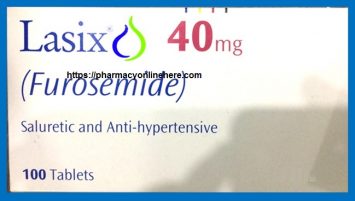
Lasix Tablets Injections
Lasix Tablets Injection (10 MG, 20 MG, 40 MG) contains a useful and most effective drug named as Furosemide which is an antihypertensive agent. Meanwhile, it considered as a carboxyl group with sulfamoyl moiety in the meta position. Furthermore, Lasix increase the urination and on the other hand different lasix dosage used for decrease the amount of water retention in the human body.
More Useful Links: Venofer Infusion For Iron Deficiency Protocol Injection Dosage, Side Effects
Lasix Tablets Injections Indications
- Fluid retention associated with chronic congestive cardiac failure (if diuretic treatment is required).
- Lasix Uses in acute congestive cardiac failure.
- Fluid retention associated with chronic renal failure.
- Maintenance of fluid excretion in acute renal failure, including that due to pregnancy or burns.
- Fluid retention associated with nephrotic syndrome (if diuretic treatment is required).
- fluid retention associated with liver disease (if necessary to supplement treatment with aldosterone antagonists).
- Hypertension.
- Hypertensive crisis (as a supportive measure).
- Support of forced diuresis.
Lasix Tablets Injection Dosage

General Dosage Of Lasix (10 MG, 20 MG, 40 MG)
Most importantly, Lasix dosage use must be the lowest that is sufficient to achieve the desired beneficial effects.
On the other hand, Lasix (Furosemide) Injection is given intravenously only when oral administration is not feasible or is ineffective (e.g. in impaired intestinal absorption) or if a rapid effect is required. Meanwhile, If intravenous therapy is used it is recommended that transfer to oral therapy be carried out as soon as possible. Furthermore, to achieve optimum efficacy and suppress counter-regulation, a continuous (Lasix) furosemide infusion is generally to be preferred to repeated bolus injections.
Meanwhile, where continuous furosemdie infusion is not feasible for follow-up treatment after one or several acute bolus doses, a follow-up regimen with low doses given at short intervals (approx. 4 hours) is to be preferred to a regimen with higher bolus doses at longer intervals. Consequently, Lasix Dosage For adults, recommended maximum daily dose of furosemide for both oral and intravenous administration is 1500 mg.
The duration of Lasix Tablets Injections treatment depends on the indication and is determined on an individual basis by the physician.
Special Populations
Special Lasix Tablets Injections Dosage Recommendations
Lasix Dosage For Children:
In children Lasix Dosage is to be reduced in relation to body weight. Therefore, In children, the recommended dose of furosemide for oral administration is 2 mg/kg body weight up a maximum daily dose of Lasix 40 mg. Furthermore, recommended dose of furosemide for parenteral administration is 1 mg /kg body weight up to a maximum daily dose of Lasix 20 mg.
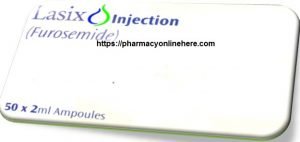
Lasix Tablets Injections Dosage For Adults
- Hepatic Impairment: fluid retention Associated With Liver Disease
Furosemide is used to supplement treatment with aldosterone antagonists in cases where these alone are not sufficient. In order to avoid complications such as orthostatic intolerance or electrolyte and acid-base imbalances, the dose must be carefully titrated so that the initial loss of gradual. For adults, this means a dose which leads to a loss of approx, 0.5 kg body weight per day. The recommended initial oral dose is 20 mg to 80 mg daily. This may be adjusted as necessary according to response. The daily dose may be given as a single dose or divided doses. If intravenous treatment is absolutely necessary, the initial single dose is 20 mg to 40 mg.
-
Renal Impairment: Fluid Retention Associated with chronic renal failure:
The natriuretic response to furosemide depends on a number of factors, including severity of renal failure and the sodium balance, and, therefore , the effect of a dose cannot be accurately predicated. In patients with chronic renal failure, the dose must be carefully titrated so that the initial loss of fluid is gradual. For adults, this means a dose which leads to a loss of approx. 2 kg body weight (approx. 280 mmol Na +) per day.
Furthermore, The recommended initial oral dose is 40 mg to 80 mg daily. This may be adjusted as necessary according to response. The total daily dose may be given as a single dose or two divided doses. In dialysis patients, the usual oral maintenance dose is 250 mg to 2500 mg daily. In intravenous treatment, the dose of furosemide may be determined by starting with a continuous intravenous infusion of 0.1 mg per minute and then gradually increasing the rate every half hour according to response.
-
Renal impairment: Maintenance of fluid excretion in acute renal failure:
hypovolaemia, hypotension, and significant electrolyte and acid-base imbalances must be corrected before staring furosemide. It is recommended that transfer from the intravenous to the oral route of administration is carried out as soon as possible. The recommended initial dose is 40 mg given as an intravenous injection, starting with a rate of 50 mg to 100 mg per hour.
-
Renal Impairment: Fluid retention associated with nephrotic syndrome:
The recommended initial oral dose is 40 mg to 80 mg daily. This may be adjusted as necessary according to response. the total daily dose may be given as a single dose or several divided doses.
-
Fluid Retention Associated with chronic congestive cardiac failure:
The recommended initial oral dose is 20 mg to 80 mg daily. Meanwhile, this may adjusted as necessary according to response. Therefore, recommended that the daily Lasix dose given as two or three divided doses.
-
Fluid Retention Associated with acute congestive cardiac failure:
The recommended initial dose is 20 to 40 mg given as an intravenous bolus injection. Consequently, Lasix dosge may adjusted as necessary according to response.
-
Hypertension:
Furosemide can used alone or in combination with other antihypertensive agents. The usual oral maintenance lasix dose 20 mg to 40 mg daily. Meanwhile, In hypertension associated with chronic renal failure higher doses may required.
-
Hypertensive Crisis:
The recommended initial dose of 20 mg to 40 mg given as an intravenous bolus injection. This may adjusted as necessary according to response.
-
Support of forced diuresis in poisoning :
Furthermore, Furosemide given intravenously in addition to infusions of electrolyte solutions. However, Lasix dose dependent on the response to furosemide. Fluid and electrolyte losses must elimination can increased further by alkalization or acidification respectively, of the urine. Meanwhile, The recommended initial Lasix dose 20 mg to 40 mg given intravenously.
Lasix Tablet Injection Administration
Lasix Oral Formulations:
It is recommended that Lasix be taken on an empty stomach. Meanwhile, Tablets must swallowed without chewing and with sufficient amounts of liquid.
Lasix Intravenous Injection/Infusion:
Intravenous furosemide must injected or infused slowly; a rate of 4 mg per minute must not exceeded. However, In patients with severe impairment of renal function (serum creatinine > 5 mg/dl). Therefore, it recommended that an infusion rate of 2.5 mg per minute not exceeded.
Intramuscular Injection:
Intramuscular administration must restricted to exceptional cases where neither for the treatment of acute conditions such as pulmonary oedema.
Lasix Tablets Injections Contraindications
Lasix must not use in conditions like:
- In patients with hypersensitivity to furosemide or any of the excipients of Lasix. On the other hand, patients allergic sulfonamides (e.g. sulfonamide antibiotics or sulfonylureas) may show cross-sensitivity to furosemide.
- In patient with hypovolaemia or dehydration.
- Furthermore, it also contraindicated in patients with anuric renal failure not responding to furosemide.
- In patients with severe hypokalaemia.
- Also in the patients with pre-comatose and comatose states associated with hepatic encephalopathy.
- In breast-feeding women.
Lasix Tablets Injections Warnings & Precautions:
Firstly, Urinary outflow must secured. In patients with a partial obstruction of urinary outflow (e.g. in patients with bladder-emptying disorders, prostatic hyperplasia or narrowing of the uretra), increased production of urine may provoke or aggravate complaints. Thus, These patients require careful monitoring-especially during the initial stages of treatment. Treatment with Lasix necessitates regular medical supervision. Particularly careful monitoring is necessary.
- In patients with hypotension.
- In patients who would be at particular risk from a pronounced fall in blood pressure, e.g. patient with significant stenoses of the coronary arteries or of the blood vessels supplying the brain.
- Also in patient with latent or manifest diabetes mellitus.
- In patients with gout.
- In patient with hepatorenal syndrome, i.e. functional renal failure associated with severe liver disease.
- Or In patient with hypoproteinaemia, e.g. associated with nephrotic syndrome (the effect of furosemide may weakend and its ototoxicity potentiated). Cautious dose titation required.
- In premature infants (possible development nephrocalcinosis/nephrolithiasis; renal function must monitored and renal ultrasonography performed). Regular monitoring of serum sodium, potassium and creatinine generally recommended during furosemide therapy. Particularly close monitoring required in patients at high risk of developing electrolyte imbalances or in case of significant additional fluid loss (e.g. due to vomiting, diarrhea or intense sweating). Hypovolaemia or dehydration as well as any significant electrolyte and acid-base disturbances must corrected. This may require temporary discontinuation of furosemide.
Lasix Tablets Injections Drug Interactions
Food:
Whether and to what extent the absorption of furosemide affected by taking it with food seems to depend on the pharmaceutical formulation. Therefore, It recommended that oral formulations of Lasix taken on an empty stomach.
Not Recommended Associations
In isolated cases intravenous administration of furosemide within 24 hours of taking chloral hydrate may lead to flushing, sweating attacks, restlessness, nausea, increase in blood pressure and tachycardia. Use of furosemide concomitantly with chloral hydrate is , therefore, not recommended. Furosemide may potentiate the ototoxicity of aminoglycosides and other ototoxic drugs. Since this may lead to irreversible damage, these drugs must only be used with furosemide if there are compelling medical reasons.
Lasix In Pregnancy:
Furosemide crosses the placental barrier. It must not be given during pregnancy unless there are compelling medical reasons. Treatment during pregnancy requires monitoring of fetal growth.
Lactation:
Fyrosemide passes into breast milk and may inhibit lactation. Women must not breast-feed if they treated with furosemide.
Driving a Vehicle or performing other hazardous tasks
Some adverse effects (e.g. an undesirably pronounced falls in blood pressure) may impair the patient’s ability to concentrate and react, and, therefore, constitute a risk in situations where these abilities are of special importance (e.g.operating a vehicle or machinery).
Lasix Tablets Injections Side Effects
The following CIOMS frequency rating used, when applicable;
Very common>/- 10 %; common >/- and < 10 %; uncommon </- 0.1 and <1 %;
Rare </- 0.01 and 0.1 % ; Very rare <0.01 5 , not known (cannot be estimated from available data).
Metabolism And Nutrition Disorders
- Very Common Lasix Side Effects:
Rlrctrolyte disturbances (including symptomatic dehydration and hypovolaemia especially in elderly patients, blood creatinine increased, blood triglyceride increased
- Common Lasix Side Effects:
Hyponatremia, hypochloremia, hypokalaemia, increased blood cholesterol, Blood uric acid increased and attacks of gout
- Uncommon Lasix Side Effects:
Glucose tolerance impaired. Latent diabetes mellitus may become manifest
- Not Known Lasix Side Effects:
Hypocalcemia, hypomagnesemia, blood urea increased, metabolic alkalosis, pseudo-bartter syndrome in the context of misuse and /or long-term use of furosemide.
Vascular Disorders
- Very Common Lasix Side Effects
(for intravenous infusion): Hypotension including orthostatic hypotenison.
-
Rare Lasix Side Effects:
Vasculitis
- Not known Lasix Side Effects:
Thrombosis
Renal And Urinary Disorders
- Common Lasix Side Effects:
urine volume increased
- Rare Lasix Side Effects:
Tubulointerstitial Nephritis
-
Not Known Lasix Side Effects:
Urine sodium increased, urine chloride increase, urine retention (in patients with a partial obstruction of urinary outflow, nephrocalcinosis/ nephrolithiasis in premature infants (see precautions), and renal failure (see interactions)
Gastrointestinal Disorders
- Uncommon: Nausea,
- Rare: Vomiting, diarrhoea
- Very Rare: Pancreatitis acute
Hepato-Biliary Disorders
- Very Rare: Cholestasis, Transaminases increased
Ear And Labyrinth Disorders
- Uncommon: Hearing disorders, although usually transitory, particularly in patients with renal failure, hypoproteinaemia (e.g. in nephrotic syndrome) and/or when intravenous furosemide has been given too rapidly. Cases of deafness, sometimes irreversible have reported after oral or iv administration of furosemide.
- Rare: Tinnitus.
Skin And Subcutaneous Tissue Disorders
- Uncommon: Pruritus, urticaria, rashes, dermatiits bullous, erythema multiforme, pemphigoid, dermatitis exfoliative, purpura, photosensitivity reaction
- Not Known: Stevens-johnson syndrome, toxic epidermal necrolysis, AGEP (acute generalized exanthematous pustulosis) and DrEss (Drug Rash with eosinophilia and systemic symptoms)
Immune System Disorders
- Rare: Severe anaphylactic or anaphylactoid reaction(e.g. with shock)
- Not Known:Exacerbation or activation of systemic lupus erythematous.
Nervous System Disorders
- Rare: Paraesthesiae
- Common: Hepatic encephalopathy in patients with hepatocellular insufficiency (see” contraindications”)
- Not Known: dizzines, Fainting or loss of consciousness, headache
Blood And The Lamphatic System Disorders
- Common: Haemoconcentration
- Uncommon: thrombocytopenia,
- Rare: Leucopoenia, Eosinophilia
- Very Rare: Agranulocytosis, Aplastic anaemia or haemolytic anaemia
Musculoskeletal And Connective Tissue Disorders
- Not Known: Cases Of Rhabodmyolysis have also reported, Often in the context of severe hypokalaemia.
Congenital And Familial/Genetic Disorders
- Not Known: Increased-risk of persistence of patent ductus arteriosus when furosemide administered to premature infants during the first weeks of life.
General Disorders And Administration Site Conditions
- Not Known: Following intramuscular injection, local reactions such as pain
- Rare: Fever
Lasix Tablets Injections Overdosage Symptoms And Treatment
The clinical picture in acute or chronic overdose depends primarily on the extent and consequences of electrolyte and fluid loss, e.g. hypovolaemia, haemoconentration, cardiac arrhythmias (including A V block and ventricular fibrillation). Symptoms of these disturbances include severe hypotension (progressing to shock), acute renal failure, thrombosis, delirious states, flaccid paralysis, apathy and confusion.
Lasix Overdosage Management.
No specific antidote to furosemide known. If ingestion has only just taken place, attempts may made to limit further systemic absorption of the active ingredient by measures such as gastric lavage or those designed to reduce absorption(e.g. activated charcoal).
Clinically relevant disturbances in electrolyte and fluid balance must corrected. Together with the prevention and treatment of serious complications resulting from such disturbances and of other effects on the body. However, this corrective action may necessitate general and specific intensive medical monitoring and therapeutic measures.
Lasix Storage Instruction Guide
Firstly, you must store lasix tablets or injection below 30 C temperature. Furthermore, protect the medicine from direct sunlight and heat. On the other hand also protect Lasix Medicine from moisture. Most importantly, and lastly you must make sure to always put your medications out of the reach of your children to protect their lives.
More Medications: Lexotanil Tablets (Bramazepam) 3MG Uses, Dosage, Side Effects
Lasix (10 MG, 20 MG, 40 MG) Tablets Injections