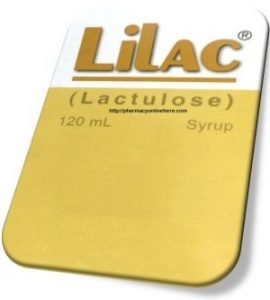
Lilac Syrup The Best Medicine For Immediate Constipation Relief
Lilac syrup contains lactulose with other sugars like galactose and lactose. Meanwhile, it used and consider as the Best Medicine For the treatment in constipation for immediate relief and hepatic encephalopathy. On the other hand, Lactulose is a disaccharide; a sugar molecule composed of two smaller sugar molecules bonded together, in the case fructose and galactose. Furthermore, Lactulose is a solid substance that is very soluble in water and has a sweet taste. Lactulose is a colonic acidifier which promotes laxation. However, Chemically lactulose is also known as 4-O-B-D_ galactopyranosyl-D-frutofuranose.
Useful Medications: Avsar Tablet 80 MG, 160 MG
Lilac Ingredients And Composition
Lilac (Lactulose) is available for oral administration as:
Each Lilac Syrup 5mL contains : Lactulose USP 3.35g
(together with other sugars such as galactose and lactose)
Lilac Syrup Uses
Lilac (Lactulose) syrup indicated for the treatment of:
- Constipation.
- Portal systemic encephalopathy (hepatic encephalopathy) including the stage of hepatic pre-coma and coma.
Note: Lilac is the best Constipation Relief Medicine Syrup in all kinds of constipation situations for kids as well as for elders and also for the user of women in pregnancy.
Lilac Best Constipation Medicine Dosage Administration
Lilac (Lactulose) Syrup is taken orally. Meanwhile, the dosages specified here are just for guidance only. But must always be adjusted to meet the individual requirements of the patient depending on the severity and development of the symptoms. On the other hand, each dose may, if necessary, be taken with water or fruit juices, etc.
Lilac Syrup For Constipation:
Adults, Elderly, Adolescents : 15 ML Twice Daily
Children aged 5 to 10 years : Lilac Syrup 10 ML Daily
Children Under 5 Years Age : 5 ML Lilac Syrup Twice Daily
Infants Under 1 Year Age : 2.5 ML to 5 ML daily
Meanwhile, all dosages should subsequently be adjusted to the needs of the individual. However, the starting dose can be adjusted to the individual after reaching an adequate treatment effect (maintenance dose). Therefore, several days (2-3 days ) of treatment needed in some patients before the treatment effect occurs. Meanwhile, During the therapy with laxatives, it recommended drinking sufficient amounts of fluids during the day.
Lilac Dosage For Portal Systemic Encephalopathy:
Adults (including the elderly): Initially dose of 30 mL-50 mL three times a day. The dose is subsequently adjusted to produce 2 or 3 soft stools each day.
Children:
No dosage recommendation for this indication.
Lilac Syrup Side Effects
Lactulose may cause abdominal discomfort associated with flatulence or cramps. On the other hand, Nausea and vomiting have occasionally been reported after high doses. Meanwhile, Prolonged use or excessive dosage may result in diarrhea with excessive loss of water and electrolytes, particularly potassium, hypenatremia has been reported.
Lilac Contraindications
Lactulose is contraindicated in:
- Patients with hypersensitivity to lactulose.
- And Patients who require a low galactose diet.
- Patients with galactosemia or disaccharide deficiency.
Lilac Precautions And Warnings
- Those who develop gastrointestinal symptoms (flatus, bloating, and diarrhea) with the use of dietary fiber should exercise caution in the use of lactulose.
- Care should be taken in patients who are lactose intolerant.
- Lactulose contains galactose and lactose and should use with caution in diabetics as blood glucose levels may elevate, usually after extended use.
- In the overall management of portal-systemic encephalopathy, it should be recognized that there is serious underlying liver disease with complications such as electrolyte disturbance (e.g., hypokalemia) for which other specific therapy may be required.
- infants receiving lactulose may develop hyponatremia and dehydration.
Laboratory Tests
Elderly, debilitated patients who receive lactulose for more than six months should have serum electrolytes (potassium, chloride, carbon dioxide) measured periodically.
Lilac Syrup In Pregnancy:
There are no adequate and well-controlled studies in pregnant women. Meanwhile, The drug should use during pregnancy only if clearly needed.
Nursing Mothers:
However, It not known whether this drug excreted in human milk. Because many drugs excreted in human milk, caution should be exercised when lactulose administered to a nursing woman.
Lilac (Lactulose) Drug interactions
- Theoretically, the elimination of certain colonic bacteria by neomycin and possibly other anti-infective agents may interfere with the desired degradation of lactulose and thus prevent the acidification of colonic contents. Thus the status of the lactulose- treated patients should closely be monitored in the event of concomitant oral anti-infective therapy.
- Results of preliminary studies suggest that nonabsorbable antacids given concurrently with lactulose may inhibit the desired lactulose-induced drop in colonic pH. Therefore, a possible lack of the desired effect of treatment should take into consideration before such drugs given concomitantly lactulose.
- Other laxatives should not be used, especially during the initial phase of therapy for portal-systemic encephalopathy because the loose stools resulting from their use may falsely suggest that adequate lactulose dosage has been achieved.
Lilac (Lactulose) Syrup Overdosage
Overdosage Symptoms:
Diarrhea and abdominal pain:
Treatment:
Firstly, the Cessation of treatment or dose reduction. Extensive fluid loss by diarrhea or vomiting may require the correction of electrolyte disturbances. No specific antidote. Symptomatic treatment should be given.
Lilac (Lactulose) Syrup Storage Instructions
Most importantly always keep your medicine out of the reach of your children. On the other hand, protect the product from direct sunlight and heat. Meanwhile, also store the medicine in a cool and dry place under 30 C temperature.
More Useful Medicine: Atarax Tablets Syrup (Hydroxyzine) Uses, Dosage, Side Effects
Lilac (Lactulose) Syrup