Co Diovan Tablets Uses Dosage Details
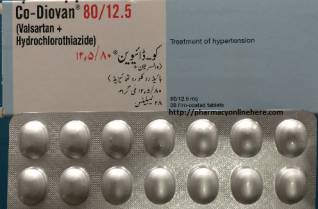
Co Diovan Tablets contains Hydrochlorothiazide and Valsartan. Hydrochlorothiazide is a prototype drug of thiazide diuretics. It is an antithypertensive agent. While Valsartan belongs to a new and antagonists similar to lostran. Both combination used for the treatment of hypertension.
More Useful Links: Bromalex 3MG Tablet Uses Dosage Side Effects Benefits Formula Ingredients Price
CoDiovan Tablets Uses & Indications
Treatment Of Hypertension In Adult ,18 Years Of Age And Older:
Co Diovan Tablets use for the treatment of hypertension in patients whose blood pressure is not adequately controlled by monotherapy. These fixed dose combinations should use as second line therapy .
Co-Diovan Dosage And Administration
The recommended dose of the medicine is I coated tablet per day. When clinically appropriate either Co Divon 80 mg valsartan and 12.5 mg hydrochlorothiazider or Co Diovan 160 mg valsartan and 12.5 mg hydrochlorothiazide or Co Diovan 320 mg valsatan and 12.5 mg hydrochlorothiazide may be used .
When necessary 160 mg valsatan and 25 mg hydrochlorothiazide or Co Diovan 320 mg valsatan and 25 mg hydrochlorothiazide may be used . The maximum daily Co Diovan Dosage is 320 mg /25 mg. The maximum antihypertensive effects is seen withing 2 to 4 weeks.
Renal Impairment
No dosage adjustment is require with mild to moderate renal impairment (Glomerular Fitration Rate (GFR) 30 min). Due to the hydrochlorothiazzide component , Co Diovan 25 MG Tablets contraindicated in patients with anuria and should used with caution in patients with severe renal impairment GFR 30 ml /min. Thiazide diuretics ineffective as monotherapy in severe patients. When used with due caution in combination with lop diuretic even in patients with GFR 30 ml /min .
Hepatic Impairment
No dosage adjustment is required in patients with mild to moderate hepatic impairment .Due to the hydrochlorothiazide component. Co Diovan Tablets should used with particular caution in patients with severe hepatic impairment. Due to the valsatan component , Co Diovan should used with particular caution in patients with biliary obstructive disorders.
Pediatrics (Below 18 Years)
The safety and efficacy of this product have not been established in children below the age of 18 years .
CoDiovan Medicine Contraindications
Known hypersensitivity to valsartan, hydrochlorothiazide other sulfonamide derived medicine product or to any of the excipients used in this tablet preperation. Because of hydrochlorothiazide, it also contraindicated patients with anuria . Concomitant use of angiotensin receptor antagonists (ARBs ) including valsartan or of angiotenisin converting enzyme inhibitors (ACELs) with aliskiren in patients with type 2 diabetes.
CoDiovan Medicine Warnings And Precautions
Serum Electrolyte Changes
Concomitant use with potassium supplements, potassium sparing diuretics, salt substitutes containing potassium or other drugs that may increase potassium levels (heparin etc) should used with caution. Thiazide diuretics can precipitate new onset hypokalemia or exacerbate pre existing hypokealemia. Thiazide diuretics should administered with caution in patients with conditions involving enhanced potassium loss. For example salt losing nephropathies and prerenal (cardiogenic impairment of kidney function. If hypokalemia accompanied by clinical signs. Muscular weakness, paresis, or ECG alterations. Co Diovan 80 mg Tablets should discontinued. Correction of hypokalemia and any coexisting hypomagnessmia recommended prior to the initiation of thiazides. Potassium and magnesium serum concentrations should checked periodically. All patients receiving thiazide diuretics should monitored for imbalances in in electrolytes, particularly potassium.
Thiazide diuretics can precipitate new onset hyponatremia and hypochlroemic alkalosis or exacerbate pre Hyponatremia. Accompanied by neurological symptoms (nausea progressive ) disorientation, apathy ) has observed in isolated cases. Regular monitoring of serum sodium concentrations is recommended .
Patients With Sodium And Volume Depletion
In severely sodium depleted and volume depleted patients, such as those receiving high doses of diuretics. Symptoms hypotension may occur in rare cases after initiation of therapy with Co Diovan 160mg or 80 mg. Co Diovan should used only after correction of any pre existing sodium and volume depletion. Otherwise the treatment should start under close medical supervision. If hypotension occur, the patients should placed in the supine position and if necessary given an i. v infusion of normal saline. Treatment can continued onece the blood pressure has stabilized .
Patients With Renal Artery Stenosis
It should used with caution to treat hypertension in patients with unilateral or bilateral renal stenosis or stenosis to a solitary kidney since blood urea and serum creatinine may increase in such patients .
Patients With Renal Impairment
No Co Diovan Dosage adjustment require for patients with mild to moderate renal impairment (GFR) 30 ml /min. Due to the hydrochlorothiazide component use Co Diovan with caution in severe renal impairment GFR 30 ml/ min. Thiazide diuretics may precipitate azotemia in patients with chronic kidney disease. They ineffective as monotherapy in severe renal impairment GFR 30 ml/ min. But may be useful, when used with due caution in combination with loop diuretics even in patients with GFR 30ml/ min. The use of ARBs including valsartan or of acles with aliskiren should avoided in patients with severe renal impairment GFR 30 min.
Patients With Hepatic Impairment
In patients with mild to moderate hepatic impairment no dose adjustment is require. It should used with particular caution in patients with biliary obstructive disorders and in patients with severe hepatic impairment.
Angioedema
Angioedema, including swelling of the larynx of the and glottis, causing airway obstruction and swelling of the face, lips pharynx and tongue has been reported in patients treated with valsartan. Some of these patients previously experienced angioedema wit other drugs including ACE inhibitors. Co Diovan should immediately discontinued in patients who develop angioedema and it should not re-administered .
Systemic Lupus Erythematosus
Thiazide diuretics, including hydrochlorothiazide, have reported to exacerbate or active systemic lupus erythematosus.
Other Metabolic Disturbances
Thiazide diuretics, including hydrochlorothiazide, may after glucose tolerance and raise serum levels of cholesterol and triglycerides. Like other diuretics hydrochlorothiazide may raise the serum uric acid levels due to reduced clearance of uric acid. And may cause or exacerbate hyperuicemia and precipitate gout in susceptible patients .
Thiazide decrease urinary calcium excretion and may cause mild elevation of surem calcium in the absence serum calcium concentrations. Therefore, It should used with caution with hypercalemia . Meanwhile, Market hypercalcemia unresponsive to thiazide withdrawal or Co Diovan 12 mg /may be evidence of an underlying thiazide independent hypercalcemic process.
However, Pathological changes in the parathyroid gland of patients with hypercalcemia and hypohosphatemia have observed in a few patients on prolonged thiazide therapy. Therefore, If hypercalcemia occurs further diagnostic clarification necessary.
General
Most importantly, the Hypersensitivity reactions to hydrochlorothiazide more likely in patients with allergy and asthma.
Acute Angle Closure Glaucoma
Hydrochlorothiazide a sulfonamide has associated with an idiosyncratic reaction resulting in acute transient myopia and acute angle closure glaucoma. Consequently, the symptoms include acute onset of decreased visual or ocular pain and typically occur within hours to weeks of a drugs initiation. Furthermore, Untreated acute angle closure glaucoma can lead to permanent vision loss.
The primary treatment to discontinue hydrochlorothiazide as rapidly as possible. Therefore, prompt medical or surgical treatment may need to be considered it the intraocular pressure remains uncontrolled . Meanwhile, Risk factors for developing acute angle closure glaucoma may include a history of sulfonamide or penicillin allergy.
Patients With Heart Failure Post Myocardial Infarction
In patients whose renal function depend on the active of the renin angiotensin aldosterone system e.g. Patients with severe congestive heart failure, treatment with angiotensin converting enzyme inihibitors or angiotensin receptor antagonists has associated with oliguria. And progressive azotemia and in cases with heart failure or post myocardial infarction should always include assessment of renal function.
Dual Blockade Of The Renin Angiotensin System (RAS)
Firstly, the caution is require while co administering ARBs , including valsartan with other agents blocking the RAS such as ACELs or aliskiren.
Co Diovan Tablet Side Effects
Adverse drug reaction reported in clinical trials and laboratory findings occurring more frequently with valsartan plus hydrochlorothiazide versus placebo. And individual post marketing reports are presented below according to system organ class.
However, Co Diovan Side Effects known to occur with each component given individually. But which have not been seen in clinical trials may occur during treatment with valsartan / hydrochlorothiazide .
Adverse drug reaction are ranked by frequency. The most frequent first using the following convention: very common( 1/10); common (1/100 to <1/10); uncommon (>1/1000 to <1/100); rere (>1/10000 to <1/1000); very rare (,1/10000). Not known cannot be estimated form the available data. Within each frequency grouping adverse reaction are ranked in order of decreasing seriousness.
Metabolism And Nutrition Disorders
- Uncommon: Dehydration
Nervous System Disorders
- Very Rare: Dizziness
- Uncommon: Paraesthesia
- Not Known: Syncope
Eye Disorders
- Uncommon Vision Blurred
Ear And Labyrinth Disorders
- Uncommon Tinnitus
Vascular Disorders
- Uncommon Hypotension
Respiratory Thoracic And Mediastinal Disorders
- Uncommon Cough
- Not Known Non Cardiogenic Pulmonary Edema
Gastrointestinal Disorders
- Very Rare Diarrhea
Musculoskeletal And Connective Tissue Disorder
- Uncommon Myalgia
- Very Rare Arthralgia
Renal And Urinary Disorders
- Not Known Impaired Renal Function
General Disorders
- Uncommon Fatigue
Drug Interactions Information
Valsartan Hydrochlorothiazide
The following drug interactions may occur due both components (valsartan and hydrochlorothiazide of Co Diovan ).
Lithium:
Reversible increases in serum lithium concentrations and toxicity have been reported. However, during concomitant administration of lithium with ACE inhibitors, angiotensin ll receptor antagonists or thiazides. Therefore, Since renal clearance of lithium reduced by thiazide, the risk of lithium toxicity may presumably increase further with it . Therefore, careful monitoring of serum lithium concentrations recommended during concomitant use.
Valsartan
The following potential drug interactions may occur due to the valsartan component of the tab
Dual Blockade Of The Renin Angiotensin System (RAS) With ARBs. ACEls, Or Aliskiren:
The concomitant use of ARBs, including valsartan, with other agents acting on the RAS associated with an increased incidence of hypotension, hyperkalemia and changes in renal function compared to monotherapy. Therefore, It recommended to monitor blood pressure, renal function and electrolytes in patients on the capsules. And other agents that affects the RAS. However, the concomitant use of ARBs, including valsartan or of ACEls with aliskiren, should avoided in patients with severe renal impairment GFR <30ml / min. On the other hand, the concomitant use of ARBs including valsartan or of ACEls with aliskiren contraindicated in patients with type 2 diabetes.
Potassium
Firstly the Concomitant use with potassium supplements, potassium sparing diuretics, salt substitutes containing potassium. Or other drugs that may alter potassium levels (heparin ) etc. However, it Should used with caution and with frequent monitoring of potassium .
Non Steroidal Anti Inflammatory Agents (NASIDs ) Including Selective Cyclooxygenase 2 Inhibitors:
When angiotensin ll antagonists administered simultaneously with NSAID,s attenuation of the antihypertensive effect may occur. Furthermore in patients who are elderly volume depleted (including those on diuretic therapy) or have compromised renal function. However, Concomitant use of angiotensin ll antagonists and NASIDs may lead to an increased risk of worsening of renal function. Therefore, monitoring of renal function recommended when initiating or modifying the treatment in patients on valsartan who are taking NSAIDs concomitantly.
Transporters
The results from an in vitro study with human liver tissue indicate that valsartan a substrate of the hepatic uptake transporter OATP IBI. And the hepatic efflux transporter MRP2 Co administration of inhibitors of the uptake transporter (rifampin, ciclosporin). Or efflux transporter (ritonavir) may increased the systemic exposure to valsartan.
In mono therapy with valsartan no drug interactions of clinical significance have found with the following drugs:
- Cimetidice
- Warfarin
- Furosemide
- Digoxin
- Atenolol
- Indomethacin
- Hydrochlorothiazide
- Amlodipine
- Glibenclamide
Hydrochlorothiazide
The following potential drug interactions may occur due to the thiazide component of the medication.
Other Anti Hypertensive Drugs
Thiazides potentiate the antihypertensive action of other antihypertensive drugs e.g.
- Guanethidine
- Methyldopa
- Beta Blockers
- Vasodilators
- Calcium Channel Blockers
- ACE Inhibitros
- Angiotensin Receptor blocker (ARB)
- Direct Renin Inhibitors
Skeletal Muscle Relaxants:
Thiazides including hydrochlorothiazide. derivatives .
Medicinal Products Affecting Serum Potassium Level:
The hypokalemic effect of diuretics may increased by concomitant administration of kaliuretic diuretic corticosteroids. On the other hand, ACTH, amphotericin , carbenoxolone penicillin G, salicylic acid derivatives or antiarrhythmics.
Medicinal Products Affects Serum Level:
The hyponatremic effect of diuretic may intensified by concomitant administration of drugs such as:
- Antidepressants
- Antipsychotics
- Antiepileptics etc.
Most importantly, Caution advised in long term administration of these drugs.
Antidiabetic Agents:
Thiazide may alter glucose tolerance. Therefore, It may necessary to adjust the dosage of insulin and of oral antidiabetic agents.
Digitalis Glycosides
Thiazide induced hypokalemia or hypomagnesemia may occur as unwanted effects. On the other hand, Favoring the onset of digitalis induced cardiac arrhythmias.
Nsaid And Cox 2 Selective Inhibitors:
Concomitant administration of NSAID s (e. g salicylic acid derivative indomethacin) may weaken the diuretic. And antihypertensive activity of the thiazide component of this prodcut Concurrent hypovolemia may induce acute renal failure.
Allopurinol
Co-administration of thiazide diuretics (including hydrochlorothiazide ) may increase the incidence of hypersensitivity reactions to allopurinol.
Amantadine
Co-administrations of thiazide diuretics (including hydrochlorothiazide ) may increase the risk of adverse effects caused by amantadine .
Antineoplastic Agents (e.g. Cycloposphamide , Methotrexate)
Concomitant use of thiazide diuretics may reduce renal excretion of cytotxic agents and enhance their myelosuppressive effects.
Anticholinergic Agents:
The bio availability of thiazide type diuretics may increased by anticholinergic agents (e. g. atropine biperiden). Apparently due to a decreased in gastrointestinal motility and the stomach emptying rate. Conversely drugs such as cisapride may decrease the bioavailability of thiazide type diuretics.
Lon Exchange Resins:
Firstly the Absorption of thiazide diuretics, including hydrochlorothiazide, decreased by chloestyramine or colestipol. However staggering the Co Diovan dosage of hydrochlorothiazide and resin such that hydrochlorothiazide administered at least 4 h before or 4 to 6 after the administration of resins would potentially minimize the interaction.
Vitamin D:
Administration of thiazide diuretics, including hydrochlorothiazide, with vitamin D or with calcium salts may potentiate the rise in serum calcium.
Ciclosporin:
Concomitant treatment with ciclosporin may increase the risk of hyperuricemia and gout type complications.
Calcium salts:
Concomitant use of thiazide type diuretics may lead to hypercalcemia by increased tubular calcium reabsorption .
Diazoxide:
Thiazide Thiazide diuretics may enhance the hyperglycaemia effects of diazoxide .
Methydopa:
There have report in the literature of hemolytic anemia occurring with concomitant use of hydrochlorothiazide and methyldopa .
Alcohol Barbiturates Or Narcotics:
Concomitant administration of thiazide diuretics with alcohol barbiturates, or narcotics may potentiate orthostatic hypotensin .
Pressor Amines
Hydrochlorothiazide may reduce the respones to pressor amines such as noradrenaline. Meanwhile, The clinical significance of this effects is uncertain and not sufficient to preculde their use.
Women Of Child Bearing Potential (WOCBP) , Pregnancy Breast Feeding And Fertility
Woman Of Child Bearing Potential
As for any that also acts directly on the RAAS. Therefore, it should not used in woman planning to become pregnant. Healthcare professionals prescribing any agents acting on the RAAS should counsel woman of childbearing potential about the potential risk of these agents during pregnancy.
Pregnancy
As for any drug that also acts directly on the RAAS, Co Diovan Tablets should not used during pregnancy. Due to the mechanism of action of angiotensin ll antagonists, a risk for the foetus cannot excluded, in utero exposure to angiotensin converting, enzyme. Meanwhile, ACE inhibitors ( a specific class of drug acting on the renin angiotensin aldosterone system. RAAS give to pregnant women during the third trimesters has reported to cause injury and death to the developing foetus. In addition in retorspective data, first trimester use of ACE inhibitors has associated with a potential, oligohydraminios. And newborn renal dysfunterine exposure women have inadertently taken valsartan.
Meanwhile, Intrauterine with fetal or thiazide diuretics, including hydrochlorothiazide associated with fetal or neonatal jaundice or thrombocytopenia. And may associated with other adverse reaction that have occurred in adults. Meanwhile, If pregnancy detected during therapy with the medicine should discontinued as soon as possible.
Breast feeding
Firstly, It is not known whether valsartan excreted in human milk vaklsartan was excreted in the milk of lactraingr rats. However, Hydrochlorothiazide crosses the placenta and excreted in human milk. Thus, not advisable to use it in breast mothers.
Fertility
However, it is not known whether valsartan is excreted in human milk. Meanwhile Valsartan was excreted in the milk of lactating rats. On the other hand, Hydrochlorothiazide crosses the placenta and excreted in human milk . Thus, not advisable to use Co Diovan Tablets in breast feeling mothers .
Over Dosage Symptoms & Treatment Guide
Firstly, you must know that Overdose with valsartan may result in marked hypotension , Which could lead to depressed level of consciousness, circulatory collapse and shock . However, If the ingestion is recent, vomiting should induced. Otherwise , the usual treatment would be i. v infusion of normal saline solution valsartan cannot be eliminated by means of hemodialysis because of its strong plasma binding behavior. Whereas clearance of hydrochlorothiazide will achieved by dialysis .
Co Diovan Storage Instructions
Firstly, Store Co-Diovan in a cool and dry place. On the other hand protect it from moisture and heat or sunlight. Most importantly always keep all the tablets, syrups, injection and other medical products out of the reach of the children. Lastly, you must read the packing for the product expiry date because the expired medicine may become a threat to your life.
More Medical Information: Bromazepam 3MG Side Effects (Sakoon Tablets) Uses Dosage Side Effects Benefits Formual ingredients Price
Co Diovan Tablets Price (Rs. 2150 PKR) And $ 10 USD In USA